Best Home Temperature Ireland to Cut Heating Costs
Introduction
Heating costs in Ireland have skyrocketed in recent years, making energy efficiency and temperature management central issues for every household. The questions that Irish homeowners repeatedly ask are: How can I keep my house warm without breaking the bank? What temperature is ideal for saving money and staying comfortable? Navigating Ireland’s damp climate and fluctuating weather can be challenging, but with the right information and tools, you can balance warmth, affordability, and eco-friendliness.
In this in-depth guide, we’ll cover everything you need to know about the best home temperature settings in Ireland to cut heating costs, along with expert tips to maximize comfort and savings.
Why Your Home Temperature Matters in Ireland
Heating typically accounts for more than 50% of home energy use in Ireland. With the cost of energy continuing to rise and sustainability concerns becoming more prominent, making regular adjustments to your thermostat isn’t just about comfort—it’s about saving money and reducing your carbon footprint.
An efficient heating strategy helps to:
- Lower bills
- Prevent issues like damp and mould
- Maintain a healthy indoor environment
What Is the Best Home Temperature in Ireland?
Recommended Temperature Settings
Experts at the Sustainable Energy Authority of Ireland (SEAI) and energy consultants advise the following:
- Living Rooms/Home Offices: 18°C to 20°C
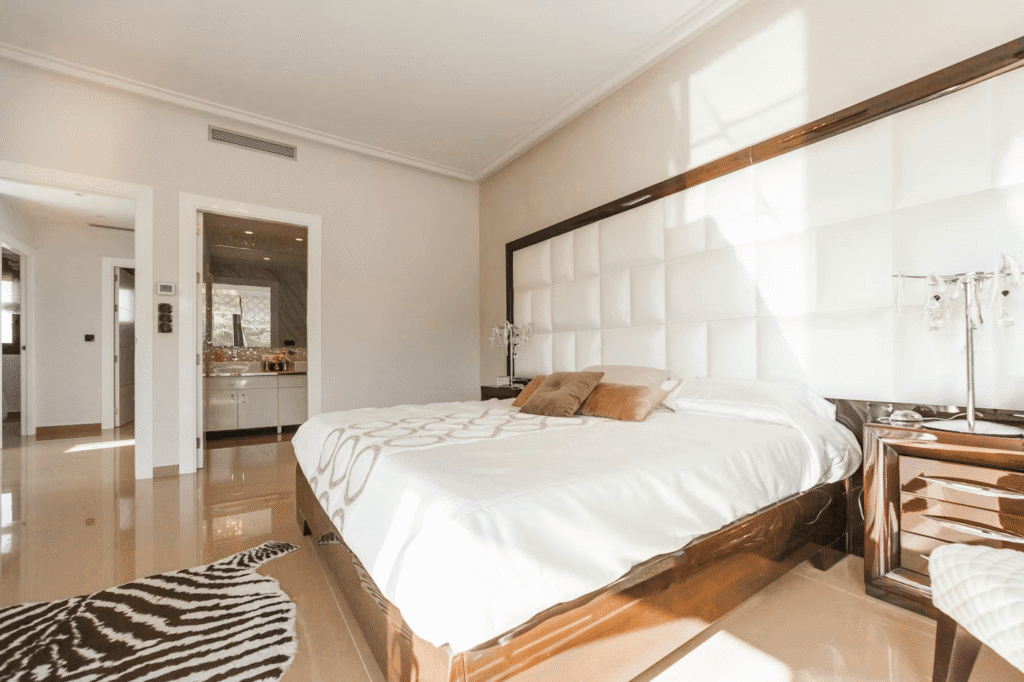
- Bedrooms: 15°C to 18°C
- Hallways, Kitchens, Storage Rooms: 12°C to 15°C
Why these ranges? Temperatures below 18°C may feel chilly and risk condensation, dampness, and mould. Higher than 20°C increases costs drastically with minimal extra comfort. Bedrooms can be cooler, especially overnight, as sleep quality can improve in cooler conditions.
How Much Can You Save?
Reducing your thermostat by just 1°C can cut annual heating bills by up to 10%. In an average Irish semi-detached house, this could translate to around €100–€150 per year or more, especially in older homes with less insulation.
The Irish Climate Factor
Ireland’s weather is famously unpredictable—mild, wet winters paired with cool summers mean heating is needed much of the year. Humidity increases the feeling of cold indoors, so correct insulation and proper temperature management help maintain both comfort and affordability.
Modern Heating Systems in Ireland
Irish homes generally use:
- Gas or oil boilers
- Electric heaters
- Solid fuel stoves
- Heat pumps (increasing thanks to SEAI grants)
Your system type will influence efficiency, but temperature control and insulation matter regardless of the heating source.
How to Achieve the Best Home Temperature for Savings
1. Use Programmable and Smart Thermostats
Programmable thermostats allow you to set heating times so you only heat when needed.
- Program cycles for mornings and evenings, avoid leaving heat on all day
- Smart thermostats (Google Nest, Hive Active) use sensors and geolocation to automate savings
2. Zone Heating & Room Temperature Strategy
Not all rooms need equal warmth:
- Living areas (e.g., sitting room, kitchen): 18°C–20°C when occupied, cooler when empty
- Bedrooms: 16°C–18°C at night is ideal for sleep and savings
- Unused or rarely used rooms: Close off and set at minimum (12°C)
Install thermostatic radiator valves to easily adjust room heat individually.
3. Maintain Your Boiler and Radiators
An inefficient boiler burns extra fuel for the same warmth.
- Book annual services for gas, oil, or solid fuel boilers
- Bleed radiators to remove trapped air (improves heat distribution)
- Power flush systems every 3–5 years for optimal performance
Regular maintenance can cut running costs by 5–10%.
4. Upgrade Your Insulation
Heat loss is the biggest driver of high bills.
Focus on:
- Attic insulation: Top up to a minimum of 300mm mineral wool
- Wall insulation: Cavity wall or external wall insulation grants are available from SEAI
- Windows and doors: Add draught seals, and consider double or triple glazing
Irish homes often suffer from draughts and leaky windows—addressing these can instantly boost comfort and efficiency.
5. Draught-Proof Everywhere
Small air leaks around windows, doors, chimney breasts, and floorboards add up.
- Use DIY draught excluders, letterbox covers, and window tape
- Chimney balloons prevent warm air escaping up unused fireplaces
6. Use Curtains and Blinds Wisely
- Open curtains during sunny days for natural heating
- Close at dusk, especially heavy lined or thermal curtains
- Use blinds as extra insulation at night to trap heat
7. Get a Professional Energy Audit
The SEAI offers grants for BER (Building Energy Rating) assessments.
A professional audit reveals where your home loses heat, and what upgrades will provide the best return.
Step-by-Step Money-Saving Home Heating Plan
1. Set Thermostat to Optimal Settings:
Start with 18°C in living areas, 16°C in bedrooms. Experiment for a week, adjust as needed.
2. Install Programmable or Smart Thermostats:
Heat only when and where needed.
3. Service Heating Equipment:
Annual boiler servicing and regular radiator checks avoid costly inefficiency.
4. Upgrade Insulation:
Apply for SEAI grants if eligible; focus on attic and walls first.
5. Seal So Simple Draughts:
Check windows, doors, floorboards. Add draught excluders and tape.
6. Use Curtains Smartly:
Trap heat overnight, let sunlight in during the day.
7. Review Bills and Consumption:
Compare monthly and yearly spend. Look for upward trends and areas for further savings.
8. Educate Everyone at Home:
Consistent habits—like closing doors, wearing warm clothes indoors—make a big impact.
The Environmental Bonus
Heating less not only saves money—it helps Ireland meet carbon reduction targets.
Less energy used means fewer energy imports and lower emissions.
Choosing the Right Heating Method
Gas vs. Electric vs. Solid Fuel vs. Heat Pumps
- Gas Boilers: Quick, reliable, best with good insulation
- Electric Heaters: Expensive for primary heat, but economical with night rate tariffs & renewable energy sources
- Solid Fuel Stoves: Cosy and cost-effective, but require maintenance and can contribute to indoor air pollution
- Heat Pumps: High upfront cost, but very efficient and grant-supported (SEAI). Great for new builds or well-insulated retrofits
Tip: When upgrading, consider long-term running costs, not just installation price.
Smart Tech: Thermostats & Controls
Smart thermostats can reduce energy use by learning routines and allowing remote control.
Features may include:
- Geofencing (heating activates as you near home)
- Learning schedules (adapts to habits and occupancy)
- Integration with smartphones or smart speakers
- Detailed energy use tracking
Popular options in Ireland: Nest, Hive, Tado, Honeywell Evohome
How to Prevent Damp and Mould
Irish homes are vulnerable to damp. Keeping bedrooms and living rooms at 16°C or above and ventilating regularly helps prevent condensation. If you spot mould, increase temperature, improve airflow, and use dehumidifiers.
Home Heating Checklist
- Thermostat: Set living areas at 18°C
- Thermostat: Set bedrooms at 16°C
- Install programmable/smart thermostats
- Service boiler annually
- Bleed radiators twice per year
- Seal draughts (windows, doors, letterbox, chimney)
- Upgrade insulation (attic, walls, windows)
- Use curtains efficiently
- Track and review bills
- Educate family on best practices
Frequently Asked Questions (FAQs)
What is the cheapest way to heat a house in Ireland?
Modern heat pumps (air-source or ground-source) are highly efficient, especially with SEAI grants. Gas remains a cost-effective option when combined with good insulation. Night-rate electric heating is possible with the right plan. Solid fuel stoves are cheap to run but less eco-friendly.
Can electric heating be cheaper than gas?
In homes with night-rate electricity or solar PV, electric can match gas costs, especially with smart controls. Gas is usually cheaper and more responsive, but less renewable.
How do I check insulation quality?
Look for BER certificates, review attic depth, check wall types (solid or cavity), and inspect for draughts at doors and windows.
Are there grants for heating upgrades in Ireland?
Yes, the SEAI provides grants for insulation, heat pumps, boiler upgrades, and energy rating audits. Low-income households may qualify for the Free Energy Upgrade Scheme.
Should I turn my heating off entirely when leaving the house?
Yes, turn off heating or set to frost-protect (e.g., 12°C). Heating an empty house wastes energy.
Example Calculation: Heating Savings
Suppose your annual heating bill is €1,500, and your home is typically heated to 21°C.
- Lowering your thermostat by 2°C (to 19°C) could save €300 per year.
- Improving insulation might add a further 15–20% savings.
- Adopting smart thermostats for zone heating yields 5–10% additional savings.
Quick Home Heating Tips for Ireland
- Wear layers indoors before raising heat
- Use hot water bottles in bed
- Keep radiators clear of furniture
- Invest in door snakes/draught stoppers
- Consider energy monitors to track real-time energy use
Resources and Links
- SEAI Grants and Advice
- Building Energy Rating (BER)
- Smart Thermostat Reviews Ireland
- National Fuel Allowance Scheme
Conclusion: Comfort, Savings, and Sustainability
Ireland’s climate requires careful heating decisions. Choosing the best home temperature—18°C in main living areas, 16°C in bedrooms—and combining it with modern controls, insulation, and good habits, guarantees both comfort and financial savings.
Make small adjustments, insulate well, and explore smart solutions for ongoing efficiency. You’ll enjoy cosy evenings, lower bills, and do your part for the planet.
Start today by reviewing your home’s temperature settings and follow these tips for long-lasting comfort and savings!